


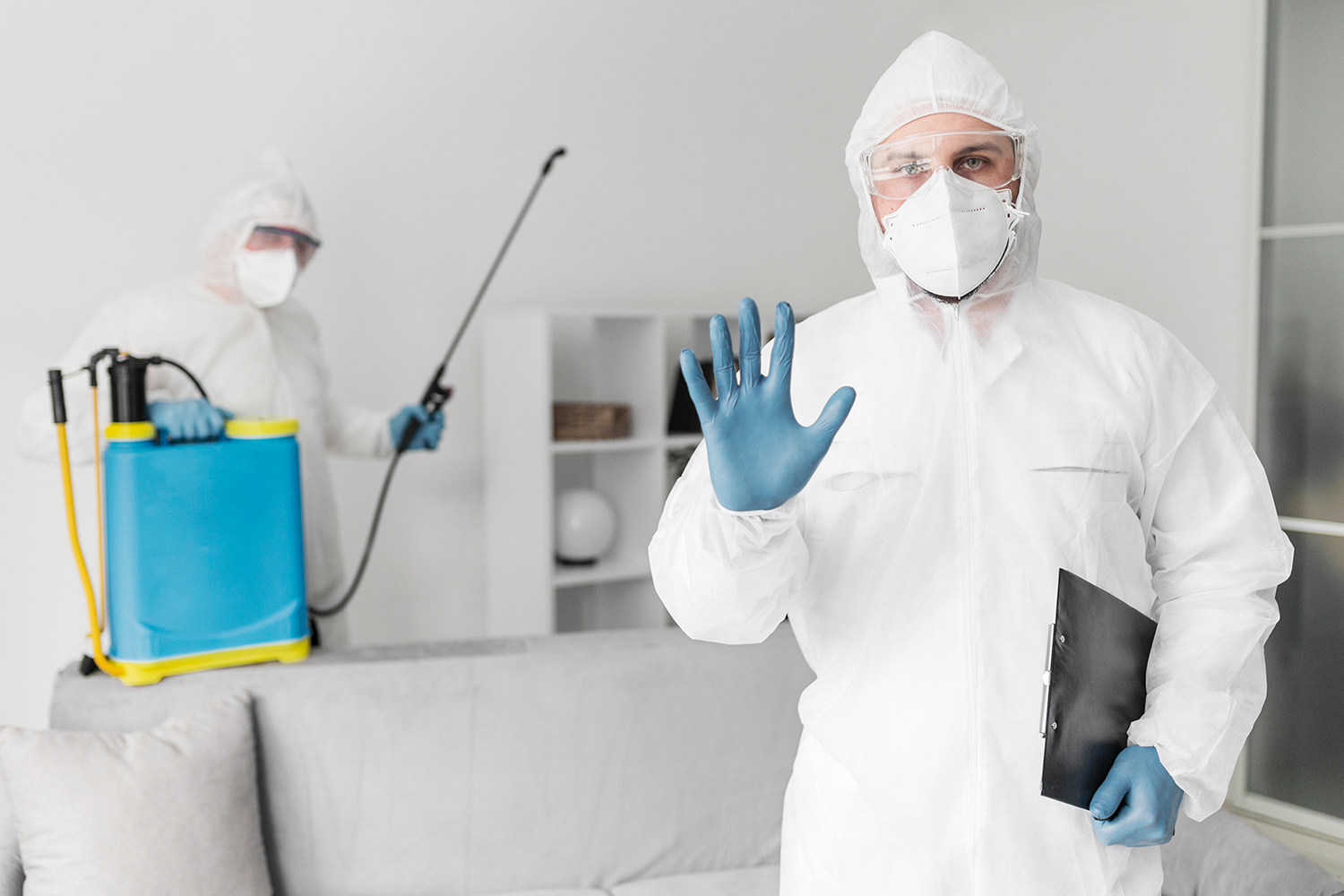
December, 2, 2025
Your Guide to Preparing for Pest Control Treatment
Unwanted pests like cockroaches, termites, and rodents can pose health risks, making pest control essential for maintaining a healthy, safe living environment. Pests can cause allergic reactions, spread disease, contaminate food, and some can even damage your property. Pest control treatment is designed to minimize and eliminate the pest infestation by targeting the source and removing it completely.
If you are planning a pest control treatment, it’s essential to prepare in advance to ensure the treatment is not only effective but also minimizes risk and keeps your family safe during the process. In this post, we will provide a step-by-step guide to preparing for a pest control treatment.
1. Identify the Type of Pest Problem
Different pests require different treatments, and accurate pest identification is essential for effective pest control. Before any pest control treatment, it is important to schedule an initial inspection with a professional pest control service in Pearland, TX. This initial assessment will help identify the affected area, the type of pest causing the infestation, and the severity of the problem. This further helps in determining the appropriate method and treatment required to address that particular pest problem.
2. Clear and Clean the Area
Properly clean your house before a professional pest control team arrives. Mop and vacuum the floor to clean any crumbs, dirt, and dust. Declutter the area by organizing items and removing anything that could serve as a hiding spot for pests, such as cabinets, shoes, and toys.To make the area less attractive to pests, reduce the availability of food and water sources. This will make it easier for professionals to apply pest treatment and also help reduce hiding places and food sources. The clean area provides pest treatment to work more efficiently by allowing it to spread properly and giving pests fewer places to hide or feed.
3. Protect Food, Utensils, and Kitchen Items
Protect food, cooking utensils, and other kitchen items by removing them from the treatment area or covering them. It will help prevent contamination of pest control chemicals and food materials, which can be harmful to your health. For the food item, store all food in air-tight or sealed containers, and remove or cover kitchen appliances, utensils, and dishes from the countertop. This step ensures that food and consumable areas do not come into contact with pest-control chemicals. Additionally, properly clean the kitchen area before using it or preparing food.
4. Move Furniture and Items Away from Walls
If you can, push furniture a little away from the walls or areas where pests have been spotted. Leave just enough space for the pest control professionals to reach the corners and spray properly. Pests like cockroaches, ants, and bed bugs often hide behind heavy furniture or under cabinets where it’s dark and quiet. So, moving furniture and other items a bit helps the treatment reach those hard-to-reach places. If it feels too heavy, you don’t have to do it all; just clear what’s easy. The professional usually handles the rest.
5. Take Care of Pets and Plants
If you have pets at home, such as cats, dogs, fish, or birds. It’s best to move them out of the treatment area and to a safe location. Some pest control professionals offer pet-friendly pest control methods, so you can provide special instructions and ask for a safe treatment option. Take them to a friend’s place or maybe a nearby pet daycare for a few hours. The same goes for aquariums: cover them adequately and switch off air pumps during treatment. Plants can be sensitive too. Some pest control products may affect them, especially if they’re close to sprayed areas. You can move them outdoors or to a balcony until the treated area is dry and well-ventilated.
6. Plan to Stay Out During Treatment
This one’s essential. You, your family, and your pets should stay out of the treated area for a few hours, depending on the type of treatment. The pest control team usually tells you how long to wait before you can safely return. It might sound like a hassle, but it’s really for your safety and comfort. Plus, the chemicals need time to dry and settle. If you go in too early, you might disturb the process. So, maybe plan a small outing or visit a nearby cafe while the experts handle your pest problem. This will ensure the safety of you and your family and minimize the risk of any accidental exposure to the chemical.
7. After-Treatment Tips
Once you’re back home, don’t rush to clean everything immediately. Give the treatment some time to do its job. If you wipe or mop the treated surfaces too soon, it can reduce the effect. You can open windows for a bit of fresh air and let the rooms ventilate naturally. Also, check for any pest activity after a few days. It’s normal to see a few bugs here and there; it means the treatment is working. Keep your kitchen dry, avoid food crumbs, and seal any gaps or cracks you spot. These small habits help you keep pests away for longer.
Conquest Pest Control Has You Covered
By preparing a few things before pest control treatment, not only does it help the expert do their job better, but it also enables an effective treatment, helping your home stay pest-free for a long time. If you’re still not sure where to start or just want someone you can trust, Conquest Pest Control Services in Pearland, TX, is here to help. We handle everything with care, from inspection to treatment and aftercare, so you don’t have to stress about crawling pests around you. Reach out to us today and let the professionals make your home safe, clean, and pest-free again.
Pest Library
Feb
26, 2026
Commercial Winter Pest Control: Challenges in Cypress & Fort Bend County, TX | Conquest Pest Control
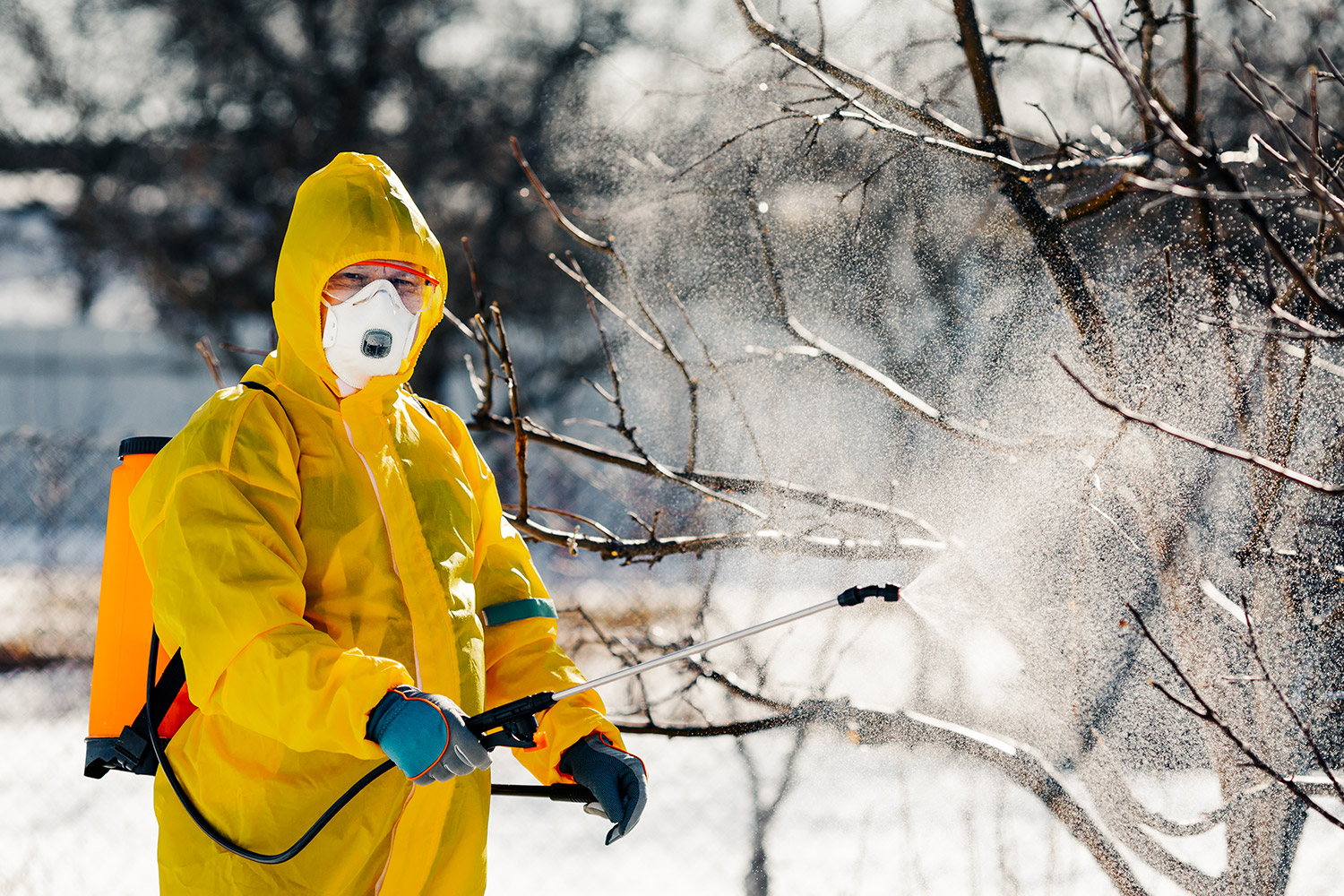
Category: Pest ControlBusinesses in winter face serious pest control challenges as cold weather attracts pests indoors. When the temperature drops outside, rodents, cockroaches, and overwintering insects begin seeking warmth, food, and shelter. Commercial buildings such as warehouses, offices, retail stores, and restaurants provide ideal environments for pests to survive. This makes winter… Continue reading Commercial Winter Pest Control: Challenges in Cypress & Fort Bend County, TX | Conquest Pest Control
Dec
2, 2025
Your Guide to Preparing for Pest Control Treatment
Category: Pest ControlUnwanted pests like cockroaches, termites, and rodents can pose health risks, making pest control essential for maintaining a healthy, safe living environment. Pests can cause allergic reactions, spread disease, contaminate food, and some can even damage your property. Pest control treatment is designed to minimize and eliminate the pest infestation… Continue reading Your Guide to Preparing for Pest Control Treatment
Jul
14, 2025
How Professional Pest Control Keeps Your Home Safe And Healthy
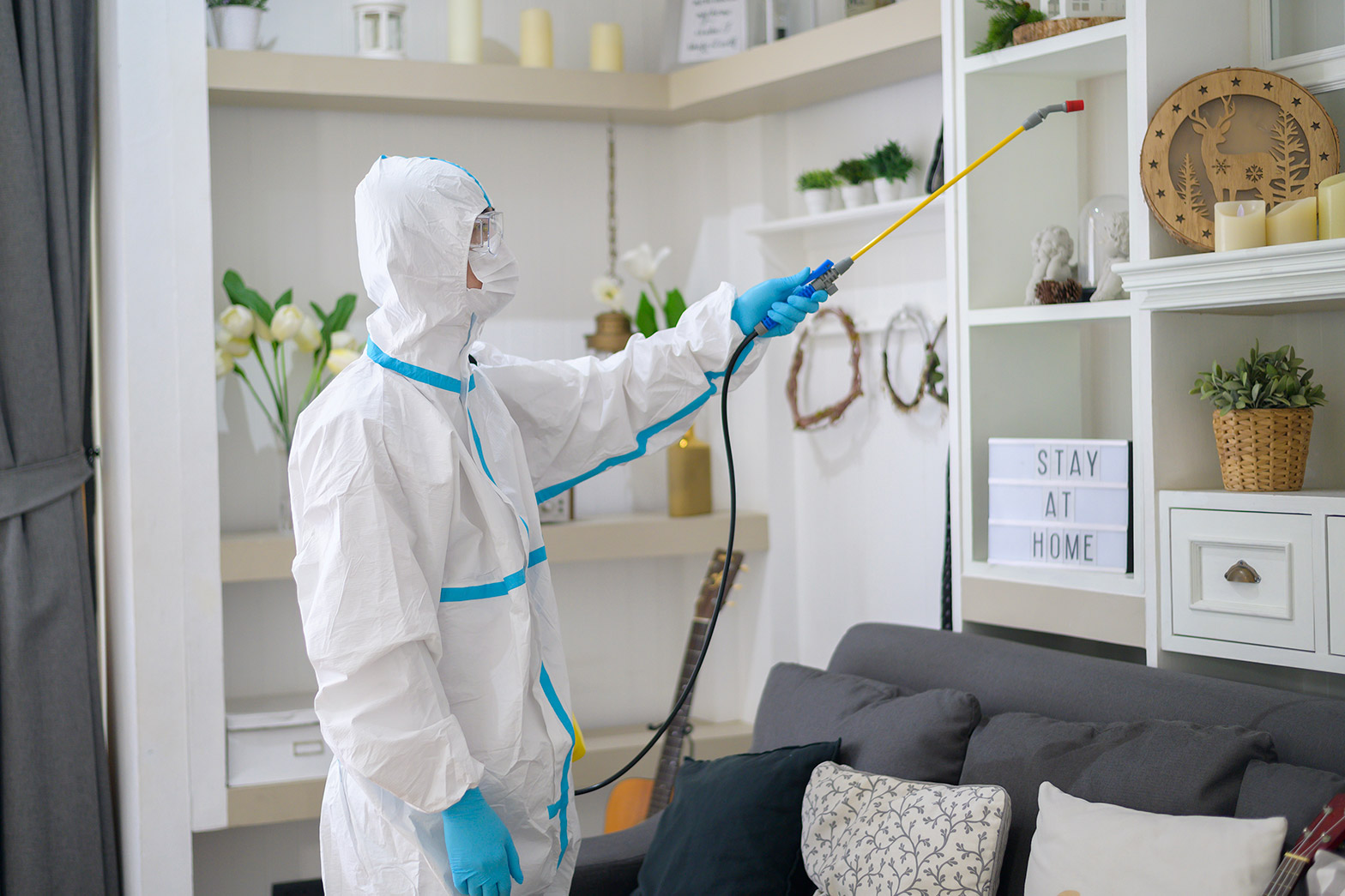
Category: Pest ControlWhen a pest gives unsettling encounters, it is a sign to take proactive measures. Some homeowner’s first instinct might be to handle these issues with a simple spray, but for effective pest control, you need to take action that goes beyond frequent DIY jobs. Pest control is extremely important for… Continue reading How Professional Pest Control Keeps Your Home Safe And Healthy
Time to Plan Pest Destruction


AREA WE SERVE!
- FRIENDSWOOD
- ROSENBERG
- CYPRESS
- KATTY
- MISSOURI CITY
- RICHMOND
- SUGARLAND
- PEARLAND
- STAFFORD

Have a Question? Call Now
+1 832.464.4841

Text US
+1 832.786.0612

Need Support Drop Us Mail
[email protected]